
Do I need dry hire or a production crew?
What equipment-only hire does and does not cover, and how to decide whether delivery, setup or an operator belongs in your brief.
Read answerThe practical side of production
Straight answers to the things that come up when you’re planning a show, hiring equipment or improving a venue. No need to know all the technical language before you start.
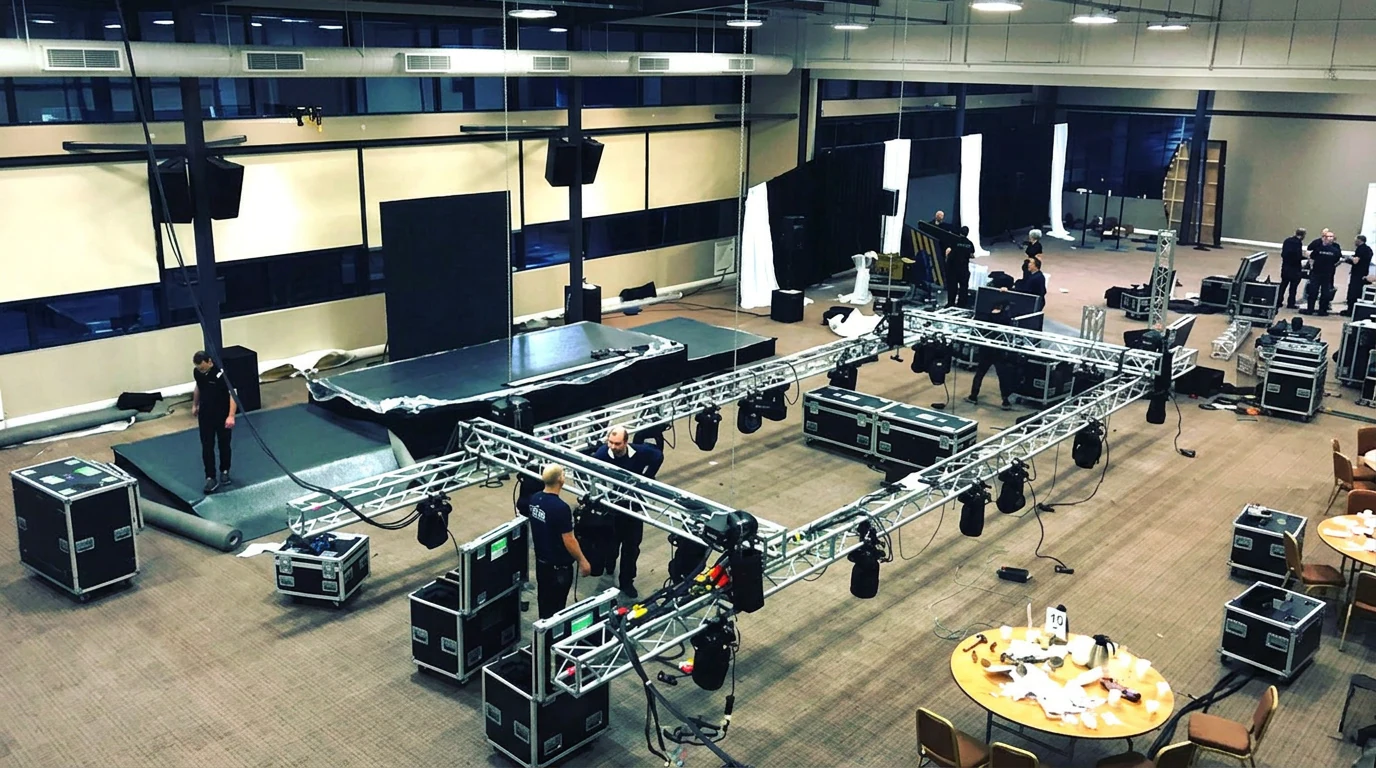
What equipment-only hire does and does not cover, and how to decide whether delivery, setup or an operator belongs in your brief.
Read the answerQuestions & answers
From the first brief to equipment returns. Make the responsibilities, timings and quotation clear.
What equipment-only hire does and does not cover, and how to decide whether delivery, setup or an operator belongs in your brief.
Read answerCompare the scope behind two production quotations: crew time, rehearsals, transport, equipment, exclusions and changes.
Read answerSeparate setup checks, soundcheck, presenter practice and cue rehearsal when building an event schedule.
Read answerA simple technical running-order example covering triggers, actions, files and responsible people for a live event.
Read answerWhy collection, testing, rehearsal and return times belong in the hire period, not just the public performance dates.
Read answerA load-in checklist covering doors, lifts, stairs, unloading, room access and the photographs to send before equipment is booked.
Read answer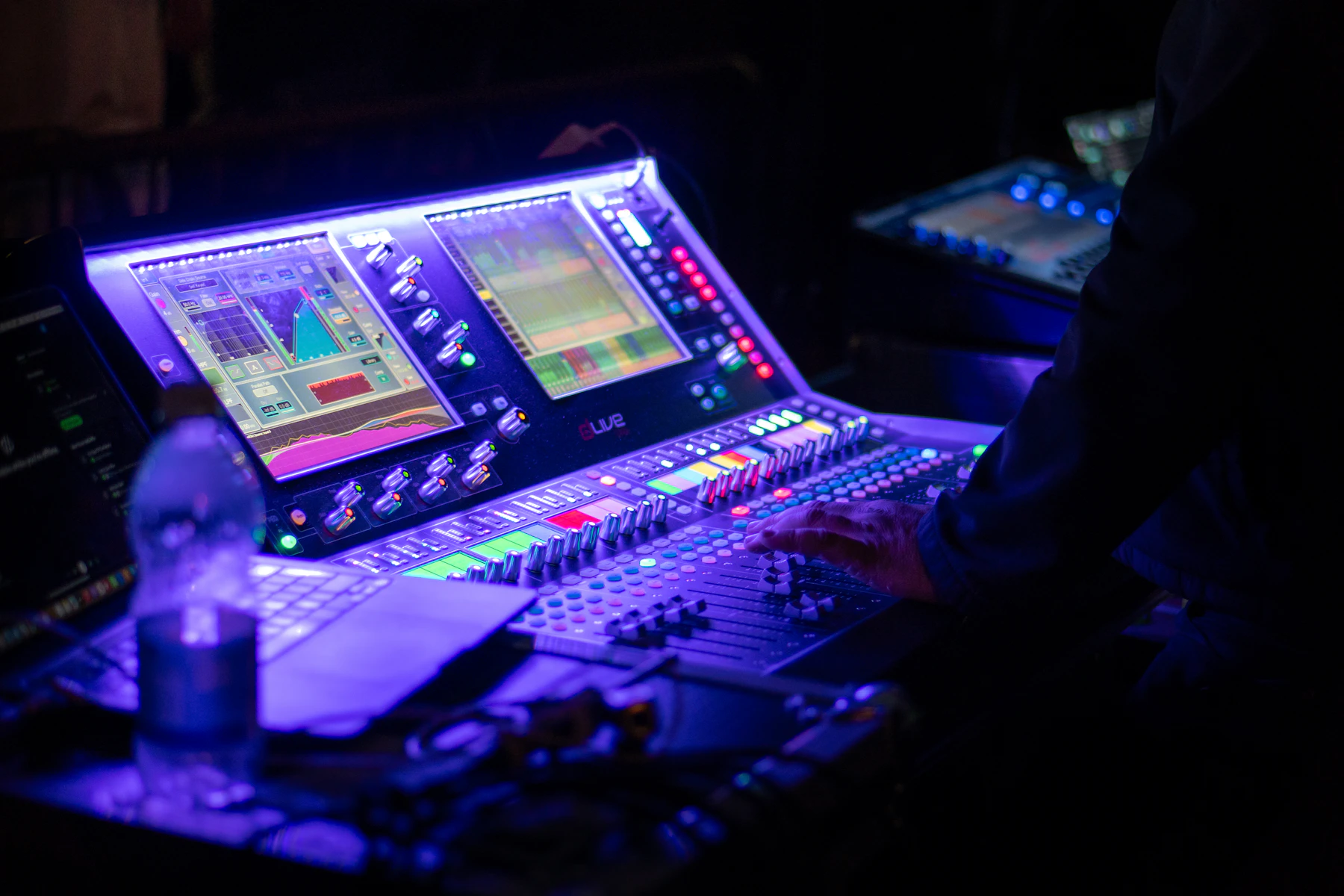
Questions & answers
Help people hear the words, the music and the questions. Start with the room and the people using it.
Why audience numbers and watts do not tell the whole story when choosing a PA for speech, music or an outdoor event.
Read answerUnderstand microphone feedback, what to check first and why turning everything up can make speech harder to hear.
Read answerCompare presentation microphones by movement, clothing, hand use and the way the event is being run.
Read answerUK radio-microphone licensing depends on the equipment and operating band. What to check with your supplier before an event.
Read answerPlan simultaneous microphone channels, other wireless equipment and frequency coordination before hiring extra radio systems.
Read answerStart with the choir arrangement, accompaniment and room. Why more microphones are not automatically a better answer.
Read answer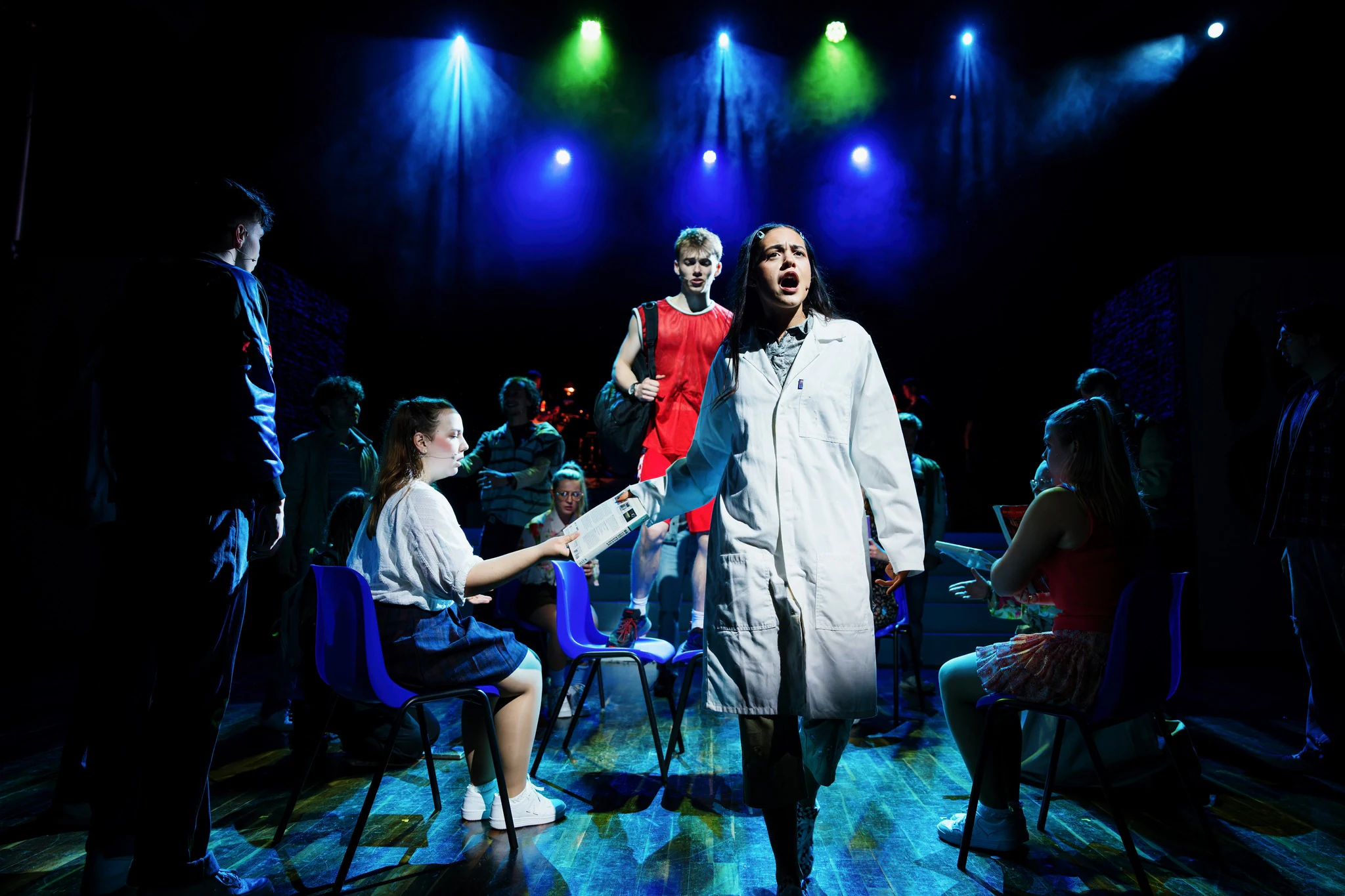
Questions & answers
Light the performance, choose the right fixtures and plan effects around the venue.
Choose between a soft-edged wash and a shaped beam, with practical examples for lighting performers, lecterns and scenery.
Read answerA plain-English comparison of moving-light types and the details to check before choosing fixtures for a show.
Read answerSeparate light for faces from light for atmosphere, and check the acting areas before adding more effects.
Read answerThe distance, coverage, operating position and performance details needed to specify a follow spot, beyond lamp wattage.
Read answerUnderstand the difference between design, programming, installation and show operation when briefing a production.
Read answerHaze can activate detectors. What to agree with the venue before booking an effect, and why there is no universal alarm-safe setting.
Read answerHow warming, air movement and the machine-fluid combination affect low fog, and what to check in a venue test.
Read answerWhy outdoor airflow makes atmospheric effects less predictable, and what the production brief should say about the intended look.
Read answer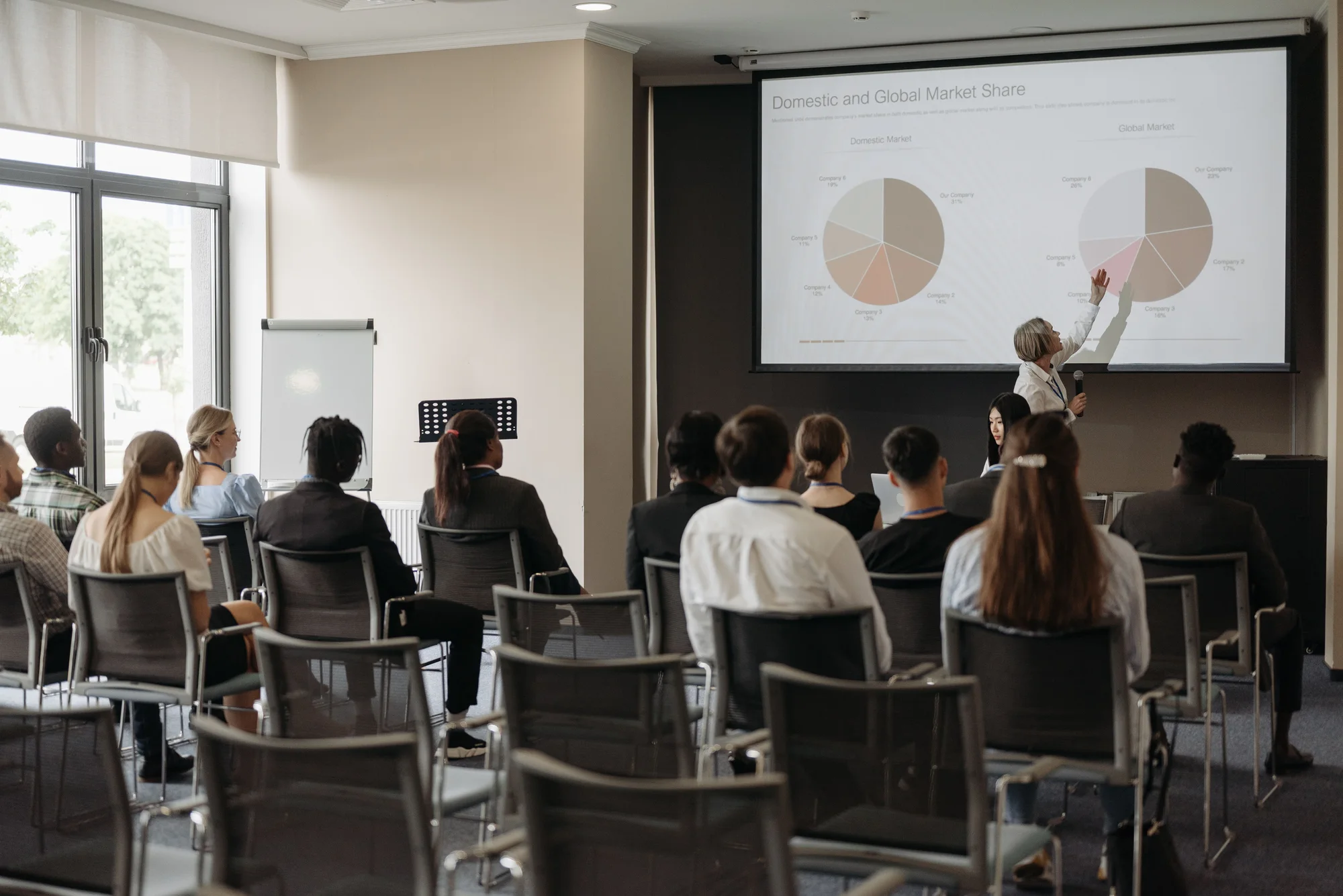
Questions & answers
Clear presentations, confident speakers and a technical plan for everyone taking part.
Plan a conference Q&A with roving handhelds or a question point, including who moves the microphones and who operates them.
Read answerUnderstand the difference between a returned remote voice, room reverberation and PA feedback before changing the audio setup.
Read answerWhat to check before recording a conference or performance from a mixer, and why the recording may need a different mix.
Read answerCompare projection and display screens around the room, audience sightlines, daylight, content and installation space.
Read answerPrepare video files, sound, cues and a fallback before rehearsal instead of relying on the presentation laptop alone.
Read answer
Questions & answers
Think through stage use, access and the information a supplier needs before specifying equipment.
Build a stage layout from people, furniture, instruments and movement space rather than choosing by headcount alone.
Read answerSite access, ground, weather planning, power and responsibilities to discuss before specifying an outdoor stage.
Read answerThe venue information and professional checks needed before an existing bar or attachment point can be used for a new rig.
Read answer
Questions & answers
Plan lighting and sound around the people who will use, look after and maintain the system.
Why LED and moving-light power requirements need checking before connecting them to an older stage dimming system.
Read answerPlan everyday presets and a separate production mode so a venue system works for assemblies as well as performances.
Read answerTalk to 10 out of 10
Tell us what you are planning, the venue and dates. We can discuss equipment, lighting design, production support or a permanent system without you having to write a technical specification first.
Initial advice and quotations are free.